Source Electric Nut Shredder for Plastic, Wood, and Metal
Find 30 electric nut shredder units with varying automation levels and capacities. Buyers can compare specifications like knife types, power supply, and cooling methods to select the right machine for industrial recycling needs.
Key considerations
Products List


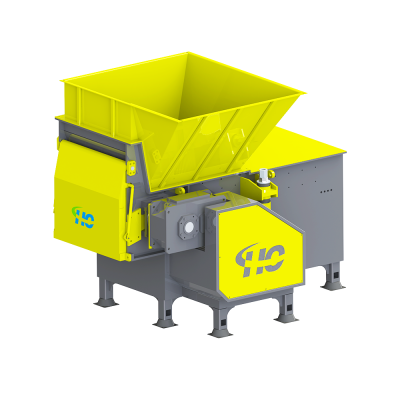


Comprehensive Sourcing Guide
Electric Nut Shredder Sourcing Guide
The electric nut shredder market presents a complex landscape where terminology often overlaps with general plastic recycling machinery. While the core keyword suggests a specialized unit for processing hard nut shells, the available product data indicates a broader category of industrial shredders designed for various plastic types, including PP bottles and general plastic waste. Buyers must carefully distinguish between machines marketed specifically for nut shells and those that are general-purpose plastic shredders capable of handling hard materials. The observed listings reveal a wide variance in specifications, from computerized to non-computerized systems, suggesting that the "electric nut shredder" label may be applied to different configurations of horizontal or top-feed shredders depending on the supplier's marketing strategy.
Procurement decisions for this equipment require a clear definition of the target material's physical properties, as the machinery is often optimized for specific feedstock characteristics. The observed product attributes highlight a range of structural designs, including top-feed and horizontal configurations, which directly impact how hard materials like nut shells are fed into the crushing chamber. A buyer seeking to process hard nut shells must verify that the selected machine's knife classification, such as claw knife crushers or piece knife crushers, is robust enough to handle the density and abrasiveness of the material without excessive wear. The distinction between solid and hollow knife rollers further influences the machine's ability to maintain cutting efficiency when processing dense, irregular shapes.
Product Scope and Observed Listing Signals
The observed product listings reveal a significant divergence in automation levels and control systems, ranging from fully computerized units with PLC auto-control to non-computerized models. This variation signals that buyers must explicitly define their operational requirements regarding process control and monitoring capabilities. A facility aiming for high-volume, consistent throughput may prioritize the computerized models that offer automated safety designs and precise control over the crushing process. Conversely, operations with simpler workflows or lower capital budgets might find the non-computerized options sufficient, provided they can manage the manual aspects of operation and maintenance.
Listing signals also indicate a wide range of structural configurations, including top-feed and horizontal designs, which dictate the physical footprint and feeding mechanism of the machine. The presence of specific attributes like "Powerful Plastic shredders" and "Double-Screw" mechanisms suggests that some units are engineered for high-torque applications necessary for breaking down tough materials. Buyers should scrutinize the "Knife Classification" and "Knife Roll" details, as these are critical indicators of the machine's suitability for hard-shell processing. The observed data shows that some units feature solid knife rollers while others use hollow designs, a distinction that affects the cutting dynamics and the potential for material jamming when processing dense nut shells.
Technical Specifications to Verify
When evaluating technical specifications, the power supply and motor configuration are paramount for ensuring the machine can handle the resistance of hard nut shells. The observed listings include units with power supplies of 45kw2 and 37W, indicating a massive disparity in capacity that directly correlates with throughput and the ability to process dense materials. A buyer must verify that the motor, such as the Siemens motors observed in some listings, is rated for the specific torque requirements of the intended application. The voltage specifications, typically 380V or 380V2, must align with the facility's electrical infrastructure to prevent operational failures or the need for costly transformer upgrades.
The crushing size and capacity specifications are equally critical for determining the machine's efficiency in a production line. Observed data points to adjustable crushing sizes ranging from 3-10cm and capacities between 10-15t/h, which suggests that the machine's output can be tuned to meet specific downstream processing needs. However, buyers must confirm that these capacity figures are achievable with the specific material density of nut shells, as the listed capacities may be based on lighter plastic waste. The structural design, whether horizontal or top-feed, must be matched with the appropriate knife dish configuration, such as the 30pcs knife dish observed, to ensure uniform particle size and prevent uneven wear on the cutting blades.
Compliance and Safety Documentation
Safety documentation for industrial shredders must include clear evidence of PLC auto-control systems and integrated safety designs to protect operators from high-torque machinery. The observed listings frequently mention "Safety Design: with PLC Auto Control," which implies that the machine includes automated shutdown mechanisms or emergency stops triggered by overload or abnormal conditions. Buyers should request detailed safety manuals that explain how these systems function and how they can be tested during the commissioning phase. The presence of these features is essential for meeting workplace safety regulations and minimizing the risk of injury during the feeding and maintenance of the shredder.
Certification status is a primary indicator of a machine's adherence to international safety and quality standards. The observed product data lists CE and ISO9001 certifications, which are critical for verifying that the equipment meets European safety directives and quality management requirements. Buyers must ensure that the specific unit they are purchasing carries valid, up-to-date certification documents that correspond to the model number and configuration. It is important to note that while some listings mention ISO certifications, the specific standard (e.g., ISO 9001) should be explicitly confirmed in the documentation to avoid confusion with other ISO standards that may not apply to machinery safety.
Cost Drivers and Commercial Terms
The cost of an electric nut shredder is heavily influenced by the level of automation, motor quality, and structural complexity. The observed price range of 580 to 200,000 USD reflects the vast difference between basic, non-computerized units and high-end, fully automated systems with advanced PLC controls and premium motors like Siemens. Buyers should analyze the total cost of ownership, considering that higher initial costs for computerized models may be offset by reduced labor costs and higher operational efficiency. The inclusion of specific components, such as the double-screw mechanism or specialized knife rolls, also contributes significantly to the final price and should be factored into the budget.
Commercial terms regarding packaging and shipping are critical for protecting the equipment during transit and ensuring it arrives in operational condition. The observed listings specify various packaging methods, including "Film with Wooden Pallet," "Fumigation-Free Wooden Box Packaging," and "Standard Exported Package." Buyers must verify that the packaging method is suitable for the machine's weight and dimensions, particularly for heavy units with a weight of 3500 kg or more. The choice of packaging can impact the risk of damage during shipping and the ease of unpacking at the destination, making it a key factor in the overall procurement cost and logistics planning.
Supplier Qualification and Quality Control
Supplier qualification should focus on the manufacturer's origin and their track record in producing heavy industrial machinery. The observed data indicates origins in Guangzhou, Henan, and Fujian, China, regions known for manufacturing industrial equipment. Buyers should verify the specific factory location and request evidence of their production capacity to ensure they can meet the required lead times and volume demands. The "Service Life" attribute, observed as ≥15 Years in some listings, suggests that reputable suppliers design their machines for long-term durability, but this claim must be backed by a history of successful installations and customer references.
Quality control processes must be rigorously evaluated to ensure the machine meets the specified performance standards. Buyers should inquire about the supplier's internal testing procedures, particularly for critical components like the gear box cooling system, which is observed to be water-cooled in some models. The "Warranty" terms, ranging from 1 to 3 years, provide a baseline for the supplier's confidence in their product, but buyers should also verify what specific components are covered and the response time for technical support. The "Standard Exported Package" and "Customized" standards observed in the listings indicate that suppliers may offer tailored solutions, but the quality of these customizations must be validated through pre-shipment inspections.
Long-Term Procurement Checks
Long-term procurement success depends on the availability of spare parts and the supplier's commitment to after-sales support. The "Warranty" period, observed as 1 to 3 years, is a starting point, but buyers should establish a long-term agreement for the supply of critical wear parts like knives and rollers. The "Service Life" of ≥15 Years implies that the machine will require maintenance and part replacements over its lifespan, making a reliable supply chain for these components essential. Buyers should verify the supplier's inventory levels and lead times for spare parts to prevent production downtime in the event of component failure.
Performance monitoring and maintenance protocols are vital for maintaining the efficiency of the electric nut shredder over its operational life. The observed specifications, such as the "Gear Box Cooling: by Water" and "Hydraulic Cooling: by Air," require regular maintenance to prevent overheating and ensure optimal performance. Buyers should develop a maintenance schedule that includes checking the cooling systems, inspecting the knife condition, and verifying the PLC control systems. The "Customization" attribute suggests that the machine can be adapted to specific needs, but this flexibility must be managed with a clear understanding of how modifications affect long-term reliability and maintenance requirements.
FAQs
What is the typical capacity of these shredders?
The typical capacity ranges from 10 to 15 tons per hour. This output level supports continuous industrial processing for plastic materials. The machine is designed to handle high-volume throughput efficiently. Adjustments to crushing size can optimize the feed rate for specific material types. This ensures consistent performance during extended operational periods.
Can the machine be customized for specific needs?
Yes, customization is available for various operational requirements. Buyers can specify dimensions and structural configurations to fit their facility. The standard model offers flexibility in size and power settings. Customized standards allow for tailored integration into existing production lines. This ensures the equipment meets precise industrial processing demands.
What certifications do these machines hold?
These machines typically hold CE and ISO9001 certifications. These standards ensure compliance with international safety and quality requirements. The certifications verify that the manufacturing process meets rigorous benchmarks. Buyers can rely on these credentials for regulatory compliance in various markets. This provides assurance regarding the machine's operational safety and quality.
How is the knife system designed for durability?
The knife system uses solid or hollow knife rollers for durability. This design enhances the crushing efficiency for various plastic types. The claw knife crusher configuration handles tough materials effectively. The piece knife crusher option offers versatility for different feed sizes. This robust construction ensures long service life and consistent performance.
What is the warranty period for the equipment?
The warranty period is typically three years for the main unit. Some components may have a one-year warranty depending on the supplier. This coverage protects against manufacturing defects and operational failures. Buyers should verify specific terms with the manufacturer before purchase. The warranty ensures support for the machine's long-term reliability.
What is the power supply requirement for operation?
The power supply requirement is often 45kw*2 for high-capacity models. Some smaller units may operate on 380V with lower wattage. The specific voltage and power depend on the selected model. Buyers must ensure their facility has the necessary electrical infrastructure. Proper power supply ensures stable and efficient machine operation.